Field guide
Comprehensive Guide to Testing Electrical Components for Your Anaheim Sign Business
Learn how to effectively test electrical components for your Anaheim sign company to ensure safety, efficiency, and longevity of your signage.
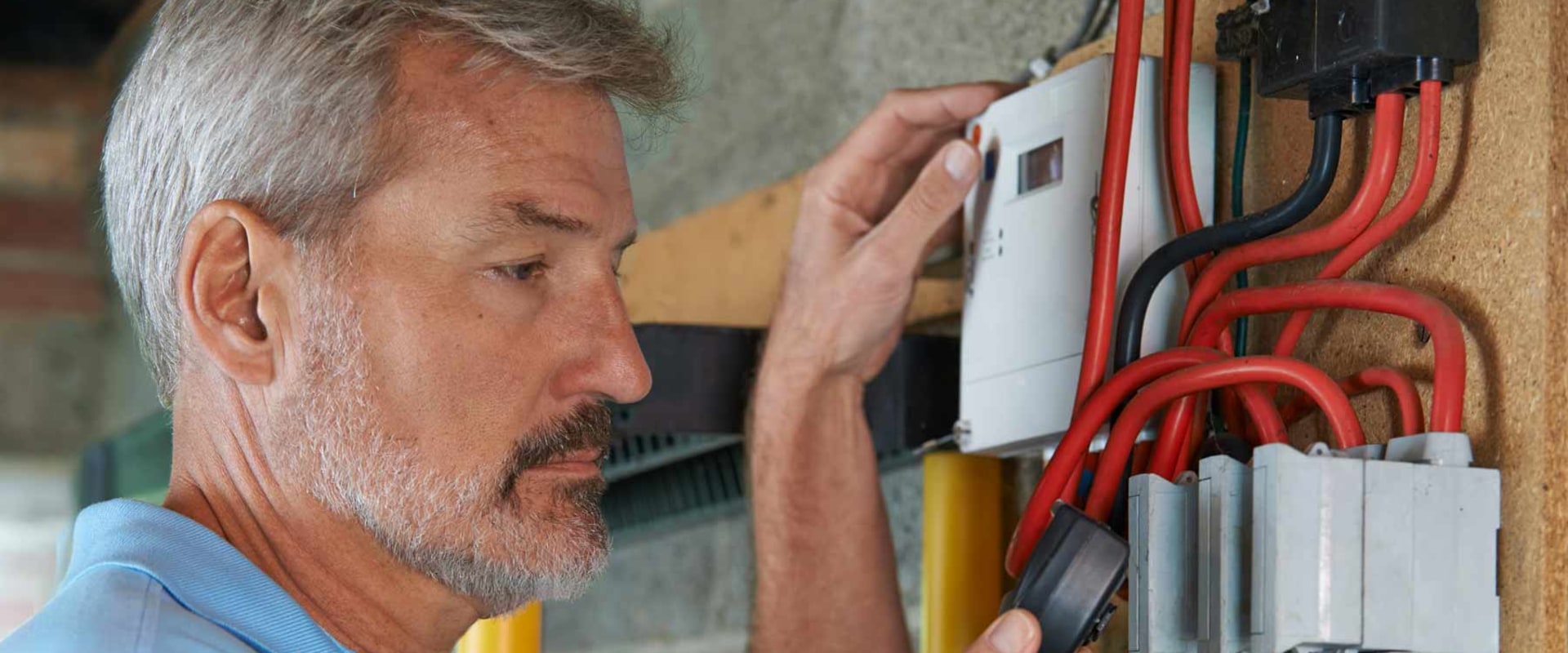
In the bustling environment of an Anaheim sign company, the significance of testing electrical components cannot be overstated. As a business owner, ensuring that your signage operates efficiently and safely is paramount, not only for compliance with safety regulations but also for maintaining a positive reputation among clients and the community. Electrical components are the lifeblood of any sign, powering everything from illuminated displays to digital screens. Therefore, understanding the importance of regular testing is essential for any sign business aiming to deliver high-quality products. Testing electrical components goes beyond mere functionality; it is a critical aspect of electrical safety for signs.
Faulty wiring or malfunctioning parts can lead to hazardous situations, including electrical fires or electrocution. By implementing a rigorous testing protocol, you can identify potential issues before they escalate into serious problems. This proactive approach not only protects your employees and customers but also safeguards your investment in signage. Regular checks can help you catch wear and tear early, allowing for timely repairs that prevent costly downtime. Moreover, in a competitive market like Anaheim, where businesses strive to stand out, having reliable and well-maintained signage can be a significant differentiator.
Clients are more likely to trust an Anaheim sign company that prioritizes safety and quality in its offerings. By emphasizing the importance of testing electrical components, you not only enhance the longevity of your signs but also build a reputation for excellence that can lead to repeat business and referrals.
Types of Signs and Their Electrical Components
In the realm of signage, understanding the different types of signs and their associated electrical components is essential for any Anaheim sign company. Each type of sign serves a unique purpose and requires specific electrical elements to function effectively. Below, we delve into the primary categories of signs you may encounter and the critical components that keep them operational.Outdoor Signs
Outdoor signs are designed to withstand various environmental conditions while effectively conveying messages to potential customers.Common types of outdoor signs include:
- Billboards: Typically illuminated with high-intensity lights, billboards often use LED or fluorescent bulbs. Testing involves checking the light output and ensuring all connections are secure.
- Channel Letters: These three-dimensional letters are often backlit with LED modules. Regular testing should focus on the integrity of the electrical connections and the functionality of each LED unit.
- Pylon Signs: Tall structures that display multiple business names or advertisements. They usually incorporate neon or LED lighting, requiring thorough checks on transformers and power supplies.
Business Signs
Business signs are crucial for branding and visibility.They can be found in various forms, including:
- Neon Signs: Known for their vibrant glow, neon signs require a high-voltage transformer. Testing should include checking for gas leaks and ensuring the transformer is functioning correctly.
- LED Displays: These digital signs can display dynamic content. Regular maintenance includes testing the control systems and ensuring all pixels are operational. These digital signs can display dynamic content. Regular maintenance includes testing the control systems and ensuring all pixels are operational.
- A-Frame Signs: While often not electrically powered, some A-frame signs incorporate LED lights for visibility at night. Testing involves checking battery life and light functionality.
Commercial Signage
Commercial signage encompasses a wide range of applications, from retail to corporate environments.Key types include:
- Digital Signage: These interactive displays often use LCD or LED technology. Testing should focus on software functionality, connectivity, and hardware integrity.
- Wayfinding Signs: Essential for directing foot traffic in large venues, these signs may include illuminated elements. Regular checks should ensure that all lights are operational and that the signage is clear and visible.
The Necessity of Regular Maintenance Checks
Regular maintenance checks are essential for the longevity and functionality of electrical components in signage.For an Anaheim sign company, these checks not only ensure that signs remain operational but also enhance client satisfaction and trust. By proactively addressing potential issues, you can prevent larger, more costly problems down the line. One of the primary benefits of regular maintenance is the ability to identify and rectify minor issues before they escalate. For instance, a flickering light in a sign may seem trivial, but it could indicate a failing component or wiring issue. By conducting routine inspections, you can catch these problems early, saving time and money on extensive repairs. Moreover, regular maintenance contributes to the overall safety of your signage.
Faulty electrical components can pose serious risks, including fire hazards or electrical shocks. By ensuring that all components are functioning correctly and safely, you protect not only your business but also your clients and their customers.
Benefits of Maintenance Checks
- Increased Lifespan: Regular checks can significantly extend the lifespan of your signs by ensuring that all components are in good working order.
- Cost Efficiency: Preventative maintenance is often less expensive than emergency repairs or replacements.
- Enhanced Performance: Well-maintained signs operate more efficiently, providing better visibility and reliability.
- Improved Client Relationships: Clients appreciate businesses that prioritize safety and quality, leading to repeat business and referrals.
- Visual inspections for any signs of wear or damage.
- Testing electrical connections and components using appropriate tools.
- Cleansing surfaces to remove dirt or debris that may affect visibility.
- Checking for proper illumination levels and functionality of lighting elements.
- Documenting any findings and actions taken for future reference.
Essential Tools and Equipment for Testing
When it comes to testing electrical components in your Anaheim sign business, having the right tools and equipment is essential for achieving accurate results and ensuring the safety of your signage.Below, we outline the key tools you should have in your toolkit.
1.Multimeter
A multimeter is an indispensable tool for any sign technician. This versatile device allows you to measure various electrical properties, including:- Voltage: Check both AC and DC voltage levels to ensure that your signs are receiving the correct power supply.
- Current: Measure the flow of electricity through your components to identify any potential issues.
- Resistance: Test the resistance of circuits and components to ensure they are functioning properly.
2.Continuity Tester
A continuity tester is another vital tool for testing electrical connections in your signage. This device helps you determine whether electricity can flow through a circuit. Here’s how it works:- When you connect the tester to two points in a circuit, it will indicate continuity if there is a complete path for current to flow.
- If there is a break or fault in the circuit, the tester will not light up or beep, alerting you to the issue.
3.Hand Tools
In addition to electronic testing equipment, having a set of basic hand tools is crucial for making adjustments and repairs.Essential hand tools include:
- Screwdrivers: A variety of screwdrivers (flathead and Phillips) will help you access different components of your signs.
- Pliers: Needle-nose pliers are great for gripping small wires and making precise adjustments.
- Cable Cutters: These are necessary for cutting through thicker wires or cables when making repairs or replacements.
- Wire Strippers: Use these to remove insulation from wires without damaging the conductor, ensuring a clean connection.
Safety Protocols When Testing Electrical Components
When it comes to testing electrical components in your Anaheim sign business, adhering to strict safety protocols is paramount. Electrical work can be hazardous, and taking the necessary precautions can prevent accidents and injuries. Below are essential safety measures that should be followed during the testing process.Power Source Management
Before beginning any testing, it is crucial to ensure that all power sources are completely turned off. This includes:- Unplugging any power cords connected to the sign.
- Switching off circuit breakers that supply electricity to the signage.
- Using lockout/tagout procedures to prevent accidental re-energization.
Protective Gear
Wearing appropriate protective gear is another critical aspect of safety when testing electrical components.The following items should be part of your standard safety equipment:
- Insulated gloves: These protect your hands from electric shock and provide a barrier against sharp edges.
- Safety goggles: Protect your eyes from debris or sparks that may occur during testing.
- Hard hats: If you are working in an area where overhead hazards exist, wearing a hard hat can prevent head injuries.
- Non-conductive footwear: Shoes with rubber soles can help insulate against electrical currents.
Avoiding Electrical Hazards
To further minimize risks, consider the following practices:- Keep your workspace dry: Water and electricity do not mix. Ensure that your work area is free from moisture to avoid electrical hazards.
- Avoid working alone: Having a partner present can provide assistance in case of an emergency and ensure that help is readily available if needed.
- Use tools properly: Always use insulated tools designed for electrical work. This reduces the risk of accidental contact with live wires.
Choosing High-Quality Electrical Components
When it comes to the success of your Anaheim sign business, the choice of electrical components is paramount.Using high-quality electrical parts not only enhances the performance of your signage but also significantly impacts its longevity and overall efficiency.
Importance of Quality Components
Investing in quality components is essential for several reasons:
- Reliability: High-quality components are less likely to fail, ensuring that your signs operate smoothly without frequent interruptions. This reliability is crucial for maintaining a professional image and meeting client expectations.
- Energy Efficiency: Quality electrical parts often consume less energy, which can lead to lower utility bills. This efficiency not only benefits your bottom line but also aligns with environmentally friendly practices.
- Safety: Inferior components can pose safety risks, including electrical fires or malfunctions. By choosing high-quality parts, you minimize these risks and protect both your business and your clients.
High-Quality Electrical Parts for Signs
When selecting electrical components for your signage, consider the following:
-
LED Lights: Opt for reputable brands that offer durable LED lights.
These lights not only last longer but also provide brighter illumination, enhancing visibility.
- Transformers: Choose transformers that are specifically designed for signage applications. High-quality transformers ensure consistent power supply and reduce the risk of overheating.
- Circuit Boards: Invest in reliable circuit boards that can withstand environmental stressors. Quality circuit boards are essential for digital displays and other electronic components.
Longevity of Signage Solutions
The longevity of your signage solutions is directly tied to the quality of the electrical components used. High-quality parts are designed to endure various environmental conditions, from extreme temperatures to moisture exposure.
This durability translates into fewer repairs and replacements over time, ultimately saving you money. Moreover, when you use quality components, you enhance the overall aesthetic appeal of your signs. Well-functioning lights and displays create a positive impression on customers, which can lead to increased foot traffic and sales. In conclusion, prioritizing high-quality electrical components in your Anaheim sign business is not just a matter of preference; it’s a necessity. By investing in superior parts, you ensure the reliability, efficiency, and longevity of your signage solutions, which in turn fosters client satisfaction and business growth.
Considering Environmental Factors in Sign Location
When operating an Anaheim sign company, understanding the impact of environmental factors on signage is crucial for ensuring the longevity and effectiveness of your products. The location of your signs—whether indoors or outdoors—plays a significant role in determining the materials and electrical components you should use.Outdoor Signage Considerations
Outdoor signs are constantly exposed to various environmental elements, including:-
Weather Conditions: Rain, snow, wind, and extreme temperatures can all affect the performance of electrical components.
For instance, moisture can lead to corrosion, while intense heat can cause components to overheat.
- UV Exposure: Prolonged exposure to sunlight can degrade materials and cause colors to fade. Using UV-resistant coatings and materials can help mitigate this issue.
- Debris Accumulation: Dust, leaves, and other debris can obstruct visibility and damage components. Regular cleaning and maintenance are essential to keep outdoor signs functioning optimally.
Indoor Signage Considerations
While indoor signs may not face the same extreme conditions as outdoor signs, they still require careful consideration:-
Temperature Variations: Indoor environments can have fluctuating temperatures due to heating or cooling systems.
Components should be rated for a range of temperatures to ensure reliability.
- Humidity Levels: Areas with high humidity, such as near swimming pools or kitchens, can lead to moisture-related issues. Choosing humidity-resistant materials is essential in these cases.
- Proximity to Heat Sources: Signs placed near heaters or ovens may require special attention to prevent overheating of electrical components.
Common Issues with Electrical Components in Signs
As an owner of an Anaheim sign company, understanding the common electrical issues that can arise with signage is essential for maintaining operational efficiency and customer satisfaction. Below are some prevalent problems you may encounter, along with troubleshooting tips to help you address them effectively.1.Flickering Lights
Flickering lights in your signs can be a frustrating issue.This problem often indicates a poor connection or a failing component. To troubleshoot:
- Check Connections: Ensure that all wiring connections are secure and free from corrosion.
- Inspect the Power Supply: A faulty transformer or power supply can lead to inconsistent voltage, causing flickering.
- Replace Bulbs: If using LED or fluorescent bulbs, consider replacing them as they may be nearing the end of their lifespan.
2.Complete Power Failure
A complete power failure in your signage can halt business operations and deter customers. Here’s how to troubleshoot:- Check the Circuit Breaker: Ensure that the circuit breaker hasn’t tripped. Reset it if necessary.
- Inspect Wiring: Look for any visible damage to wires or connectors that may have caused a short circuit.
-
Test the Power Source: Use a multimeter to check if power is reaching the sign.
If not, the issue may lie with the power source itself.
3.Dim Lighting
If your sign’s lighting appears dim, it could be due to several factors:- Voltage Drop: Long runs of wire can cause voltage drops, leading to insufficient power reaching the lights. Consider shortening wire lengths or using thicker gauge wire.
- Dirty Fixtures: Dust and grime can accumulate on light fixtures, reducing brightness. Regular cleaning can help maintain optimal visibility.
- Aging Components: Older bulbs or LEDs may not emit as much light as they once did. Replacing these components can restore brightness.
4.Intermittent Functionality
If your sign works sporadically, it may indicate loose connections or failing components:- Tighten Connections: Go through all connections and ensure they are tight and secure.
- Inspect for Damage: Look for any signs of wear or damage in wiring and components that could lead to intermittent failures.
- Test Components Individually: If possible, test each component separately to identify which one is causing the issue.
Regular maintenance checks and prompt attention to problems will ensure your signs remain bright and effective, reflecting positively on your Anaheim sign company.
Conclusion: Ensuring Safety and Efficiency in Your Anaheim Sign Business
In conclusion, the success of your Anaheim sign business hinges on the safety and efficiency of your signage solutions. Throughout this guide, we have explored the critical aspects of testing electrical components, emphasizing that regular maintenance is not merely a recommendation but a necessity. By implementing a systematic approach to testing, you can significantly reduce the risk of malfunctions that could jeopardize both your business operations and client satisfaction. Regular testing and maintenance serve multiple purposes:- Safety: Ensuring that all electrical components are functioning correctly minimizes the risk of electrical hazards, protecting both your employees and customers.
- Efficiency: Well-maintained signs operate more efficiently, which can lead to lower energy costs and reduced wear on components.
- Longevity: Regular checks can extend the lifespan of your signage, saving you money on replacements and repairs in the long run.
- Reputation: A reliable sign reflects positively on your business. Clients are more likely to return or recommend your services if they see that you prioritize quality and safety.
While the initial cost may be higher, the long-term benefits—such as fewer repairs and enhanced performance—far outweigh these expenses. Additionally, understanding the environmental factors affecting your signs allows you to choose appropriate materials and designs that withstand local conditions. As you move forward with your Anaheim sign company, remember that a proactive approach to testing and maintenance will not only enhance the safety and efficiency of your signage but also solidify your reputation as a trusted provider in the industry. By prioritizing these practices, you ensure that your signs continue to shine brightly, effectively communicating your clients' messages while safeguarding their interests.
More Posts
Sign Maintenance
11 articles