Field guide
Cleaning and Removing Debris: A Comprehensive Guide to Sign Maintenance by an Anaheim Sign Company
Learn effective strategies for cleaning and maintaining signs to enhance visibility and safety in Anaheim. Discover best practices and tools.
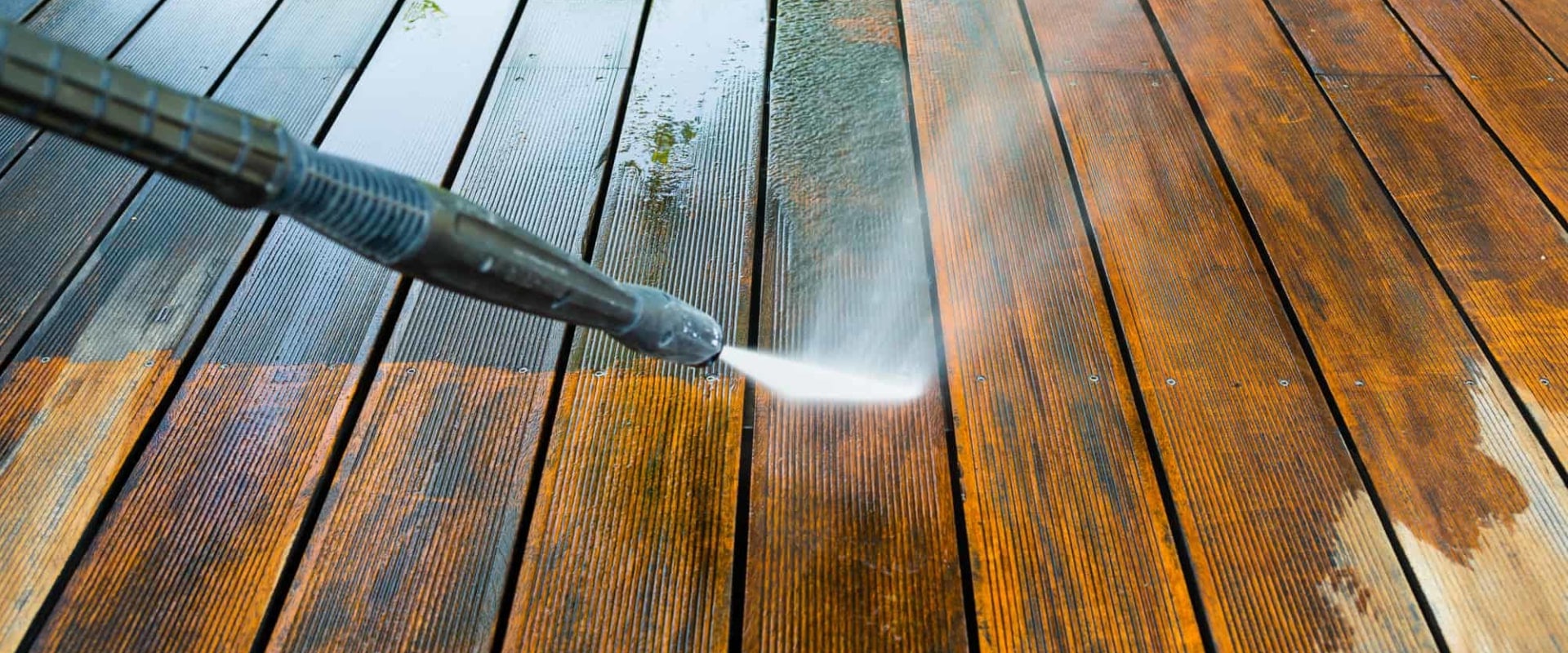
Maintaining signs is not merely a matter of aesthetics; it plays a crucial role in ensuring safety and effective communication within our communities. Clean and well-maintained signs are essential for conveying messages clearly, guiding pedestrians and drivers alike, and enhancing the overall visual appeal of an area. When signs are obscured by dirt, grime, or debris, their visibility diminishes significantly, which can lead to confusion or even accidents. This is particularly important in bustling cities like Anaheim, where the presence of numerous businesses and attractions makes clear signage vital for navigation. Moreover, the benefits of maintaining clean signs extend beyond mere visibility.
Regular maintenance can prolong the lifespan of your signage, saving you money in the long run by reducing the need for costly repairs or replacements. A well-kept sign reflects positively on your business, suggesting professionalism and attention to detail. Customers are more likely to trust a business that takes pride in its appearance, which can lead to increased foot traffic and sales. In addition to enhancing visibility and promoting safety, clean signs contribute to a positive first impression for potential customers. Whether it’s a storefront sign or a directional sign on a busy street, the condition of your signage can influence how people perceive your brand.
A clean, well-maintained sign signals that you care about your business and your customers, fostering trust and encouraging engagement. In summary, understanding the importance of sign maintenance is essential for any business owner or community leader. By prioritizing cleanliness and regular upkeep, you not only ensure that your signs remain visible and effective but also enhance the overall safety and aesthetic appeal of your environment. As we delve deeper into this guide, we will explore practical strategies for cleaning and maintaining various types of signs to help you keep them in optimal condition. A clean, well-maintained sign signals that you care about your business and your customers, fostering trust and encouraging engagement. In summary, understanding the importance of sign maintenance is essential for any business owner or community leader. By prioritizing cleanliness and regular upkeep, you not only ensure that your signs remain visible and effective but also enhance the overall safety and aesthetic appeal of your environment. As we delve deeper into this guide, we will explore practical strategies for cleaning and maintaining various types of signs to help you keep them in optimal condition.
Types of Signs That Require Maintenance
Understanding the different types of signs that require maintenance is essential for effective sign management. Each category of signage has unique characteristics and maintenance needs, which can significantly impact their longevity and effectiveness.Below, we categorize the primary types of signs that require regular upkeep.
Outdoor Signs
Outdoor signs are typically exposed to various environmental elements, making them particularly susceptible to dirt, grime, and weather-related damage. These signs can include:- Billboards: Large advertising structures that often face harsh weather conditions.
- Storefront Signs: Signs that represent businesses and are usually placed in high-visibility areas.
- Directional Signs: Used to guide pedestrians and vehicles, these signs must remain clear and visible.
Indoor Business Signs
Indoor signs serve a different purpose than outdoor signage but are equally important for maintaining a professional appearance. These can include:- Reception Signs: Often the first point of contact for visitors, these signs should be kept clean and polished.
- Wayfinding Signs: Essential for helping customers navigate through a space, these need to be clear and unobstructed.
- Promotional Displays: Temporary signage used for marketing campaigns that may require frequent updates.
Regular dusting and occasional deep cleaning will help maintain their appearance.
Commercial Signage
This category encompasses a wide range of signs used in various business contexts, including:- Banners: Often used for promotions or events, these need to be checked for wear and tear regularly.
- Vehicle Wraps: These mobile advertisements require special care to prevent fading and damage from road debris.
- A-Frames and Sandwich Boards: Commonly used for sidewalk advertising; they should be stable and clean to attract foot traffic.
Tools and Techniques for Effective Cleaning
When it comes to maintaining the appearance and longevity of your signs, utilizing the right cleaning tools and techniques is essential. Each type of sign may require specific care to ensure that they remain in optimal condition without incurring damage.Below are some recommended tools and techniques for effective cleaning.
- Soft-Bristled Brush: A soft-bristled brush is ideal for gently removing loose dirt, dust, and debris from the surface of your signs. This tool is particularly useful for outdoor signs that may have accumulated grime due to weather exposure.
- Mild Detergent: Using a mild detergent mixed with water is a safe and effective way to clean your signs. Avoid harsh chemicals or abrasive cleaners, as these can strip away protective coatings or damage the sign's material.
- Microfiber Cloth: A microfiber cloth is perfect for wiping down surfaces after brushing. It effectively captures remaining dirt without scratching the sign, making it an excellent choice for final touches.
-
Non-Abrasive Sponge: For tougher stains, a non-abrasive sponge can be used in conjunction with a cleaning solution.
This allows for deeper cleaning without risking damage to the sign's surface.
- Pressure Washer: For large outdoor signs or those heavily soiled, a pressure washer can be an effective tool. However, it’s crucial to use it at a safe distance and with the appropriate pressure settings to avoid damaging the sign.
- Test First: Before applying any cleaning solution to the entire sign, test it on a small, inconspicuous area. This helps ensure that the solution does not cause discoloration or damage.
- Gentle Motion: When using brushes or cloths, always clean in gentle circular motions or along the grain of the material. This minimizes the risk of scratches and ensures thorough cleaning.
-
Rinse Thoroughly: After applying any cleaning solution, rinse the sign thoroughly with clean water to remove any residue.
Leftover soap can attract dirt and lead to quicker buildup.
- Dry Properly: Use a clean microfiber cloth to dry the sign after rinsing. This prevents water spots and streaks from forming on the surface.
Step-by-Step Guide to Cleaning Outdoor Signs
Cleaning outdoor signs is essential for maintaining their visibility and effectiveness. Over time, these signs can accumulate dirt, grime, and other debris due to exposure to the elements.This step-by-step guide will help you effectively clean your outdoor signs, ensuring they remain in excellent condition.
Step 1: Gather Your Supplies
Before you begin cleaning, gather the necessary supplies:- Soft-bristled brush - Ideal for removing loose dirt without scratching the surface.
- Mild detergent - A gentle soap mixed with water will help lift grime.
- Non-abrasive sponge or cloth - For scrubbing without causing damage.
- Bucket - To mix your cleaning solution.
- Hose or pressure washer - For rinsing off the detergent.
- Microfiber cloth - To dry the sign and prevent streaks.
Step 2: Remove Loose Debris
Start by using the soft-bristled brush to gently sweep away any loose dirt, leaves, or cobwebs from the surface of the sign. This initial step is crucial as it prevents scratching during the cleaning process.Step 3: Prepare Your Cleaning Solution
In a bucket, mix a solution of mild detergent and warm water. The ratio should be about one tablespoon of detergent per gallon of water. Avoid using harsh chemicals or abrasive cleaners, as they can damage the sign's finish.Step 4: Clean the Sign
Dip your non-abrasive sponge or cloth into the cleaning solution and wring it out to avoid excess water.Gently scrub the sign in a circular motion, paying special attention to any areas with stubborn stains or buildup. For textured surfaces, ensure that you get into all crevices to remove trapped dirt.
Step 5: Rinse Thoroughly
Once you have cleaned the entire surface, use a hose or pressure washer on a low setting to rinse off the detergent. Make sure all soap residue is removed, as leftover detergent can attract more dirt and grime.Step 6: Dry the Sign
After rinsing, use a microfiber cloth to dry the sign completely. This step helps prevent water spots and streaks from forming on the surface.Step 7: Inspect for Damage
While cleaning, take a moment to inspect your sign for any signs of damage such as fading, cracks, or peeling paint.Addressing these issues promptly can prevent further deterioration and maintain your sign's appearance. By following these steps regularly, you can ensure that your outdoor signs remain clean and effective in conveying your message. Regular maintenance not only enhances visibility but also extends the lifespan of your signage.
Cleaning Business Signs: Best Practices
Cleaning business signs is a vital aspect of maintaining a professional image and ensuring that your brand is always represented in the best light. Given their high visibility and frequent exposure to the elements, these signs require regular attention to keep them looking pristine. Here are some best practices to follow when cleaning your storefront signage.Understanding the Materials
Before diving into the cleaning process, it’s essential to understand the materials used in your signs.Common materials include:
- Vinyl: Often used for banners and decals, vinyl can be sensitive to harsh chemicals.
- Metal: Aluminum or steel signs are durable but may require specific cleaners to avoid corrosion.
- Plastic: Acrylic or polycarbonate signs can scratch easily, so gentle cleaning methods are necessary.
- Wood: Wooden signs may need special care to prevent water damage and fading.
Regular Cleaning Schedule
Establishing a regular cleaning schedule is crucial. Depending on your location and environmental factors, you may need to clean your signs weekly or monthly. Here’s a simple guideline:- Weekly: Remove loose dirt and debris with a soft brush or cloth.
- Monthly: Perform a thorough cleaning using mild soap and water.
- Quarterly: Inspect for any damage or fading, and consider professional cleaning if necessary.
Cleaning Techniques
When it comes to cleaning techniques, here are some effective methods:- Mild Soap Solution: Mix warm water with a few drops of mild dish soap. Use a soft cloth or sponge to gently scrub the surface.
- Avoid Abrasives: Never use abrasive cleaners or scrubbers, as they can scratch the surface of your signs.
- Rinse Thoroughly: After cleaning, rinse with clean water to remove any soap residue that could attract dirt.
- Dry Properly: Use a microfiber cloth to dry the sign completely, preventing water spots and streaks.
Professional Cleaning Services
If your business signs have accumulated significant grime or if they are made from delicate materials, consider hiring a professional sign cleaning service.These experts have specialized tools and solutions that can restore your signage without causing damage. Regular professional maintenance can also extend the lifespan of your signs, ensuring they remain an effective marketing tool for years to come. By following these best practices for cleaning business signs, you can maintain a polished appearance that reflects positively on your brand. A clean sign not only enhances visibility but also communicates professionalism and attention to detail, making it an essential part of your overall marketing strategy.
Maintaining Other Commercial Signage: Banners and Decals
When it comes to maintaining commercial signage, banners and decals often require special attention due to their unique materials and exposure to various environmental factors. Proper care and cleaning can significantly extend the lifespan of these types of signage, ensuring they remain vibrant and effective in conveying your message.Cleaning Banners
Banners are typically made from materials like vinyl or fabric, which can attract dirt, dust, and grime over time.Here are some effective cleaning methods:
- Gentle Washing: For fabric banners, hand washing is often the safest method. Use a mild detergent mixed with lukewarm water. Gently scrub the surface with a soft cloth or sponge, focusing on any stained areas.
- Rinsing: After washing, thoroughly rinse the banner with clean water to remove any soap residue. This step is crucial as leftover detergent can lead to discoloration.
-
Drying: Allow the banner to air dry completely before storing or re-hanging it.
Avoid direct sunlight during drying to prevent fading.
Maintaining Decals
Decals, whether they are window stickers or vehicle graphics, also require careful maintenance to keep them looking their best:- Regular Dusting: Use a soft microfiber cloth to gently dust off any dirt or debris from the surface of the decal. This prevents buildup that can lead to scratches.
- Mild Cleaning Solutions: For more stubborn stains, a mixture of water and a few drops of mild soap can be used. Apply it with a soft cloth and avoid using abrasive materials that could damage the decal.
- Avoid Harsh Chemicals: Stay away from ammonia-based cleaners or solvents as they can degrade the adhesive and color of the decal over time.
By implementing these maintenance practices, you can ensure that your commercial signage remains effective and visually appealing for years to come.
The Role of Surrounding Area Maintenance in Sign Visibility
Maintaining the cleanliness of the area surrounding your signs is crucial for ensuring their visibility and effectiveness. A well-kept environment not only enhances the aesthetic appeal of your signage but also plays a significant role in attracting potential customers. When debris, dirt, or overgrown vegetation accumulates around your signs, it can obstruct visibility and diminish the overall impact of your advertising efforts.Impact of Surrounding Debris on Sign Visibility
Debris such as leaves, trash, or even snow can create significant barriers that hinder the visibility of your signs. This obstruction can lead to:
- Reduced Readability: Signs that are partially covered by debris may be difficult to read, causing potential customers to miss important information.
- Negative Perception: A cluttered environment can give off an impression of neglect, which may deter customers from engaging with your business.
- Safety Hazards: Accumulated debris can create tripping hazards or block pathways, leading to potential accidents.
Here are some effective strategies for keeping the environment tidy:
- Regular Sweeping: Schedule routine sweeping of the area around your signs to remove dirt, leaves, and other debris. This simple task can significantly enhance visibility.
- Landscaping Maintenance: Trim any overgrown plants or bushes that may obstruct sightlines. Keeping greenery well-maintained not only improves visibility but also contributes to a more inviting atmosphere.
- Trash Management: Place trash bins nearby and ensure they are emptied regularly. This will help prevent litter from accumulating around your signage.
-
Seasonal Clean-Up: Conduct seasonal clean-ups to address specific issues like fallen leaves in autumn or snow in winter.
Being proactive during these times can prevent visibility issues from arising.
Regular Inspection: Catching Issues Early
Regular inspections of your signs are a critical component of effective sign maintenance. By routinely checking for potential issues, you can catch problems early, preventing them from escalating into costly repairs or replacements. This proactive approach not only extends the lifespan of your signage but also ensures that your signs remain effective in conveying your message to customers. Here are some essential sign inspection tips to incorporate into your maintenance routine:-
Schedule Regular Inspections: Set a specific schedule for inspections, ideally every month or at least quarterly.
This consistency helps you stay on top of any emerging issues.
- Visual Checks: Conduct a thorough visual inspection of each sign. Look for signs of fading, peeling paint, or discoloration that may indicate wear and tear.
- Structural Integrity: Check for any physical damage such as cracks, dents, or loose components. Ensure that all parts are securely fastened and that the sign is stable.
- Lighting Functionality: For illuminated signs, test the lighting to ensure all bulbs are functioning correctly. Replace any burnt-out bulbs promptly to maintain visibility.
-
Cleanliness: Assess the cleanliness of the sign.
Accumulated dirt and debris can obscure visibility and detract from the sign's appearance.
- Inspect the Sign Surface: Look for scratches, stains, or other blemishes that may require cleaning or repair.
- Check for Rust or Corrosion: Metal signs should be inspected for rust spots, which can compromise structural integrity.
- Evaluate Mounting Hardware: Ensure that brackets and supports are secure and free from rust or deterioration.
- Review Surrounding Area: Make sure that vegetation or other obstructions are not blocking the sign's visibility.
When to Seek Professional Help from an Anaheim Sign Company
While regular cleaning and maintenance of your signs are essential, there are specific situations where enlisting the help of a professional Anaheim sign company becomes necessary. Understanding when to seek professional assistance can save you time, ensure safety, and maintain the integrity of your signage.Signs with Extensive Damage
If your sign has suffered significant damage due to weather conditions, vandalism, or accidents, it’s crucial to consult a professional.Signs that are cracked, faded, or have missing components may require specialized repair techniques that only an experienced sign company can provide. Attempting to fix these issues on your own could lead to further damage or safety hazards.
Complex Signage Systems
For businesses that utilize complex signage systems—such as illuminated signs or digital displays—professional help is often necessary. These types of signs involve intricate electrical components and require specific knowledge for safe handling and maintenance. An Anaheim sign company can ensure that these systems are cleaned and repaired without compromising their functionality.Specialized Cleaning Techniques
Some signs may be made from materials that require specialized cleaning methods.For instance, acrylic or glass signs can scratch easily if not cleaned properly. A professional service will have the right tools and cleaning solutions to avoid damaging the surface while effectively removing dirt and grime.
Time Constraints
If your business is busy and you lack the time to dedicate to proper sign maintenance, hiring a professional can be a wise investment. A reputable Anaheim sign company can perform thorough cleaning and repairs efficiently, allowing you to focus on running your business without interruptions.Compliance with Local Regulations
In some cases, local regulations may dictate specific maintenance standards for commercial signage. A professional sign company will be familiar with these regulations and can ensure that your signage meets all necessary compliance requirements, helping you avoid potential fines or penalties. In summary, while routine maintenance is vital for keeping your signs in good condition, there are clear scenarios where hiring a professional is advisable.From extensive damage to specialized cleaning needs, an Anaheim sign company offers expertise that can enhance the longevity and effectiveness of your signage.
<strong>Conclusion</strong>: Key Takeaways for Effective Sign Maintenance
In conclusion, maintaining the cleanliness and functionality of your signs is not just a matter of aesthetics; it plays a crucial role in ensuring safety and effective communication with your audience. Throughout this guide, we have explored various aspects of sign maintenance , emphasizing the importance of regular cleaning and debris removal.Key Takeaways for Effective Sign Maintenance:
- Regular Cleaning: Establish a routine cleaning schedule tailored to the type of sign you have. Outdoor signs, which are more exposed to environmental elements, may require more frequent attention compared to indoor signs.
- Use Appropriate Tools: Invest in quality cleaning supplies such as soft-bristled brushes, microfiber cloths, and mild detergents. Avoid harsh chemicals that can damage the sign's surface.
-
Inspect for Damage: Regularly check your signs for any signs of wear and tear.
Early detection of issues like fading, cracks, or loose components can save you from costly repairs down the line.
- Surrounding Area Maintenance: Keep the area around your signs clean and free from debris. This not only enhances the visibility of your signage but also contributes to a positive impression of your business.
As you move forward, remember that consistent maintenance is key to keeping your signs looking their best and functioning effectively. Make sign care a priority, and you will reap the benefits in customer engagement and satisfaction.
More Posts
Sign Maintenance
11 articles