Field guide
Designing for Trade Show Displays: The Ultimate Guide with Anaheim Sign Company Insights
Discover how to design impactful trade show displays with insights from Anaheim sign companies. Attract visitors and elevate your brand presence.
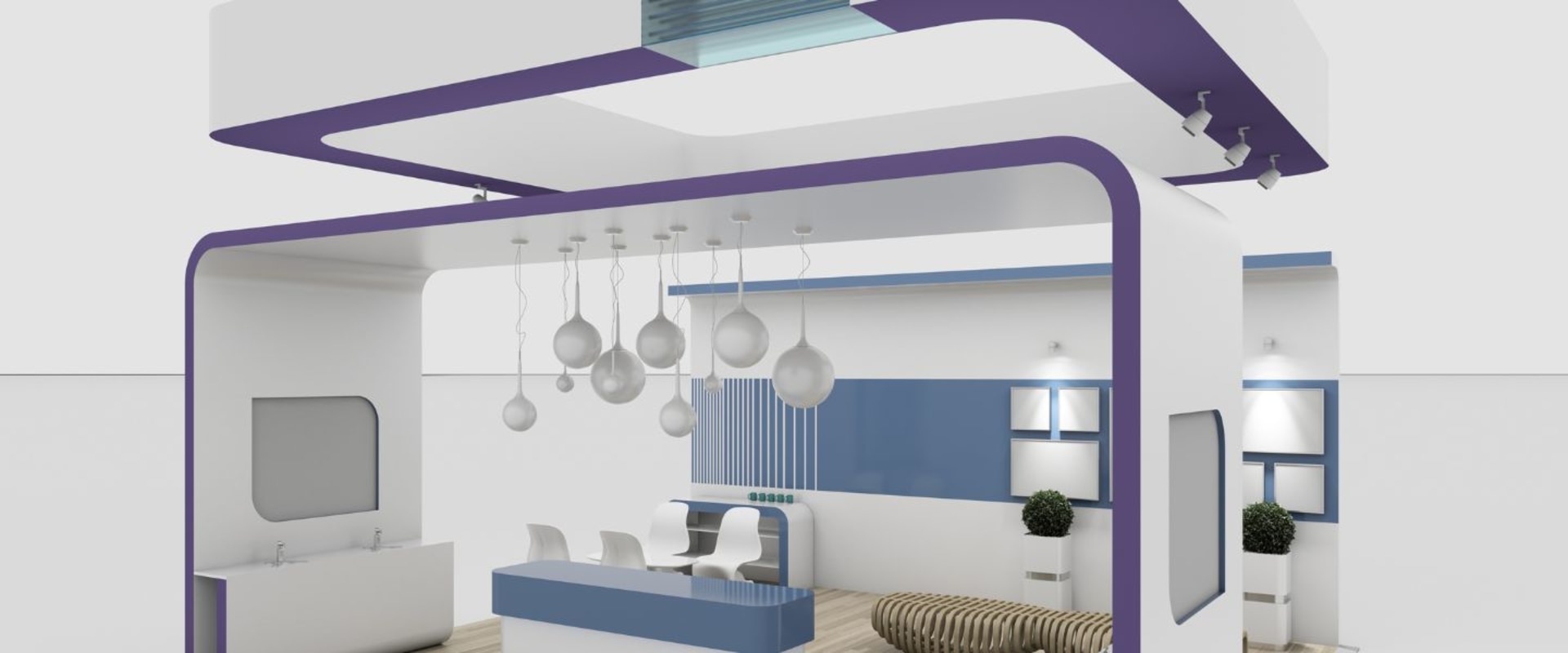
Trade show displays are more than just physical structures; they are powerful marketing tools that can significantly influence the success of your business at industry events. When potential customers walk through the bustling aisles of a trade show, they are bombarded with a myriad of sights and sounds. In this crowded environment, your display serves as the first point of contact with your brand, making it essential to create a striking and memorable impression. A well-crafted trade show display not only attracts attention but also communicates your brand's message effectively, setting the tone for future interactions. The importance of trade show displays cannot be overstated. Trade show displays are more than just physical structures; they are powerful marketing tools that can significantly influence the success of your business at industry events. When potential customers walk through the bustling aisles of a trade show, they are bombarded with a myriad of sights and sounds. In this crowded environment, your display serves as the first point of contact with your brand, making it essential to create a striking and memorable impression. A well-crafted trade show display not only attracts attention but also communicates your brand's message effectively, setting the tone for future interactions. The importance of trade show displays cannot be overstated.
They act as a visual representation of your brand and products, encapsulating your identity in a compact space. A thoughtfully designed display can engage visitors, spark curiosity, and encourage them to learn more about what you offer. This initial engagement is crucial; studies show that first impressions are formed within seconds, and a captivating display can be the difference between a passerby and a potential lead. By investing in high-quality design and materials, you can ensure that your booth stands out amidst the competition. Moreover, trade shows provide an unparalleled opportunity for face-to-face interaction with potential clients and partners.
Your display should not only be visually appealing but also functional, allowing for easy navigation and interaction. Incorporating elements such as product demonstrations or interactive technology can enhance visitor engagement and create a more immersive experience. As you prepare for your next event, consider how your trade show display can serve as a strategic asset in attracting attention and fostering connections.
Understanding Trade Show Displays
When it comes to trade shows, understanding the different types of displays available is crucial for creating an impactful presence. Each type of display serves a unique purpose and can be tailored to fit your brand's specific needs.Here are some common types of trade show displays:
- Pop-Up Displays: These are lightweight, portable displays that can be set up quickly. They often feature vibrant graphics and can be used as backdrops for your booth.
- Banner Stands: Ideal for showcasing key messages or products, banner stands are easy to transport and set up. They come in various sizes and styles, including retractable and X-frame options.
- Custom Booths: For businesses looking to make a significant impact, custom booths offer the flexibility to create a unique space that reflects your brand identity. These can include multiple components such as walls, counters, and interactive elements.
- Tabletop Displays: Perfect for smaller spaces or as supplementary displays, tabletop options are compact yet effective in conveying your message.
Here are some key elements to consider:
- Graphics: High-quality visuals are vital for attracting attention. Use bold colors and clear images that represent your brand effectively.
- Lighting: Proper lighting can highlight your display and create an inviting atmosphere. Consider using spotlights or LED lights to draw attention to specific areas.
- Interactive Elements: Incorporating technology such as touch screens or virtual reality experiences can engage visitors and encourage them to spend more time at your booth.
- Informational Materials: Brochures, business cards, and product samples should be readily available for visitors to take with them. This helps reinforce your message long after the event is over.
By understanding the various types of trade show displays and their components, you can design a booth that stands out in a crowded exhibition hall.
The Role of Anaheim Sign Companies in Trade Show Design
When it comes to designing impactful trade show displays, the expertise of an Anaheim sign company can be invaluable. These companies specialize in creating custom signage solutionscustom signage solutions that not only capture attention but also effectively communicate your brand's message. By collaborating with a sign company, businesses can leverage their knowledge of design principles, materials, and the latest trends to create displays that resonate with their target audience. One of the primary benefits of working with an Anaheim sign company is their ability to tailor signage to meet specific branding and marketing goals. They understand that every business is unique, and thus, they offer personalized services that align with your vision.This customization can include:
- Graphic Design: Professional designers can create visually stunning graphics that reflect your brand identity and attract potential customers.
- Material Selection: Sign companies are knowledgeable about various materials and can recommend options that are durable yet visually appealing for trade show environments.
- Size and Layout Optimization: They can help determine the best size and layout for your display, ensuring it fits within your allocated space while maximizing visibility.
This expertise allows you to focus on engaging with potential customers rather than worrying about the technical aspects of your display. In conclusion, working with an Anaheim sign company provides businesses with access to custom signage solutions that are tailored to their specific needs. From design to installation, these professionals play a crucial role in helping brands create impactful trade show displays that not only attract attention but also effectively convey their message to potential customers.
Key Design Principles for Trade Show Displays
When designing trade show displays, understanding and applying key design principles is essential for creating an engaging and effective presentation. These principles not only enhance the visual appeal of your display but also ensure that your messaging resonates with visitors. Here are some fundamental design principles to consider:Visual Hierarchy
Visual hierarchy refers to the arrangement of elements in a way that guides the viewer's eye and emphasizes the most important information.This principle is crucial in trade show displays, where you have limited time to capture attention. To establish a clear visual hierarchy:
- Size Matters: Use larger fonts and images for key messages or product highlights. This draws attention immediately.
- Contrast: Employ contrasting colors between text and background to enhance readability. High contrast can make your message pop.
- Placement: Position critical information at eye level or in the center of the display, where it is most likely to be seen first.
-
Whitespace: Don’t overcrowd your display.
Adequate whitespace helps separate elements and makes the overall design more digestible.
Color Psychology
The colors you choose for your trade show display can significantly influence visitor perception and behavior. Different colors evoke different emotions and associations, which can be leveraged to enhance your brand message:- Red: Often associated with excitement and urgency, red can stimulate action and draw attention.
- Blue: Conveys trust and professionalism, making it a popular choice for corporate brands.
- Green: Represents growth and health, ideal for eco-friendly or wellness brands.
- Yellow: Evokes feelings of happiness and optimism, perfect for attracting attention in a crowded space.
Clear Messaging
Your trade show display should communicate your message quickly and effectively. Visitors often skim displays, so clarity is key. To achieve this:-
Simplicity: Use concise language and avoid jargon.
Aim for short, impactful statements that convey your value proposition.
- Call to Action (CTA): Include a clear CTA that encourages visitors to engage further, whether it’s visiting your website or signing up for a newsletter.
- Consistent Branding: Ensure that all elements of your display reflect your brand’s voice and style, creating a cohesive experience for visitors.
Incorporating Branding into Your Display
When designing a trade show display, incorporating your brand effectively is essential for creating a memorable experience for attendees. Your display serves as a visual representation of your company, and it should communicate your brand's identity clearly and consistently.Brand Consistency
is key in ensuring that your audience recognizes and remembers your brand. This means using the same color palette, fonts, and imagery across all elements of your display. Consistency not only reinforces your brand identity but also builds trust with potential customers.
When they see familiar branding, they are more likely to feel comfortable engaging with your booth. Here are some strategies to maintain brand consistency in your trade show display:
- Color Scheme: Choose colors that align with your brand's identity. Use these colors throughout your display, from the backdrop to the promotional materials.
- Typography: Select fonts that reflect your brand's personality. Ensure that all text on your display is easy to read and consistent in style.
- Imagery: Use high-quality images that resonate with your brand message. Whether it's product photos or lifestyle images, ensure they align with the overall theme of your display.
Logo Placement Strategies
are also crucial for maximizing brand visibility at trade shows.
Your logo should be prominently displayed to ensure it captures attention immediately. Here are some effective logo placement strategies:
- High Visibility Areas: Place your logo at eye level on the main backdrop of your display. This ensures that it is one of the first things attendees see as they approach.
- Multiple Locations: Consider placing your logo in several locations on the display, such as on banners, tablecloths, and promotional materials. This reinforces brand recognition from different angles.
- Interactive Elements: If you have interactive displays or digital screens, incorporate your logo into these elements to engage visitors while keeping your branding front and center.
By maintaining brand consistency and strategically placing your logo, you can enhance recognition and leave a lasting impression on potential customers.
Interactive Elements to Engage Visitors
In today's competitive trade show environment, simply having an attractive display is not enough to capture the attention of attendees. To truly engage visitors and create memorable experiences, incorporating interactive elements into your trade show displays is essential. These elements not only draw people in but also encourage them to spend more time at your booth, increasing the likelihood of meaningful interactions. One of the most effective ways to engage visitors is through touch screens. These devices allow attendees to interact with your content directly, whether it's exploring product features, watching videos, or accessing detailed information about your services.By providing a hands-on experience, you empower visitors to learn at their own pace, making the information more memorable.
Virtual reality (VR)
experiences are another innovative way to captivate your audience. By immersing visitors in a virtual environment related to your brand or products, you can create a unique experience that sets you apart from competitors. For instance, if you're in the travel industry, a VR simulation of a destination can transport attendees there without them ever leaving the booth. This level of engagement can leave a lasting impression and spark conversations long after the event.
Gamification
techniques are also gaining popularity in trade show displays.
By incorporating game-like elements such as quizzes, challenges, or contests, you can motivate visitors to participate actively. For example, offering prizes for completing a game or answering questions about your products can create excitement and encourage attendees to engage with your brand. This not only makes the experience enjoyable but also fosters a sense of community among participants. Moreover, integrating social media into your interactive displays can amplify engagement. Encourage visitors to share their experiences on platforms like Instagram or Twitter by creating a unique hashtag for your booth.
You could even set up a live feed displaying posts from attendees who tag your brand, creating a dynamic and interactive atmosphere that attracts more visitors. In conclusion, incorporating interactive elements into your trade show displays is crucial for engaging visitors effectively. Whether through touch screens, virtual reality experiences, gamification techniques, or social media integration, these strategies can enhance visitor interaction and create memorable experiences that resonate long after the event has ended. By leveraging technology in innovative ways, you can ensure that your booth stands out and leaves a lasting impression on potential customers.
Lighting and Visual Effects in Trade Show Displays
When it comes to trade show displays, lighting and visual effects play a pivotal role in capturing attention and enhancing the overall experience for attendees. A well-lit display not only draws visitors in but also highlights key products and messaging, making it essential to consider how lighting can be strategically utilized.1.The Importance of Lighting
- Visibility: Proper lighting ensures that your display is visible from a distance, allowing potential customers to notice your booth even in crowded environments.
-
Aesthetic Appeal: Creative lighting can transform a simple display into an eye-catching spectacle.
Using colored lights or dynamic effects can create a memorable atmosphere that resonates with your brand identity.
- Highlighting Products: Use focused lighting to draw attention to specific products or features. Spotlights can effectively showcase new items or promotional materials, encouraging visitors to engage with them.
2.Types of Lighting to Consider
- LED Lights: Energy-efficient and versatile, LED lights come in various colors and intensities, making them ideal for creating different moods and effects.
- Backlighting: This technique involves placing lights behind graphics or displays to create a glowing effect that enhances visibility and adds depth.
- Spotlights: These are perfect for emphasizing particular areas of your display, such as product showcases or promotional signage.
3.Creating an Inviting Atmosphere
The right lighting can also set the tone for your booth. Soft, warm lighting can create a welcoming environment, encouraging visitors to stop by and engage with your team. In contrast, bright, cool lighting may convey a more modern and energetic vibe, suitable for tech-oriented brands.
4.Incorporating Visual Effects
Beyond traditional lighting, incorporating visual effects can further enhance your display's appeal.
Consider using:
- Projection Mapping: This technique allows you to project images or videos onto surfaces, creating dynamic visuals that can tell a story or demonstrate product features.
- Dramatic Shadows: Play with shadows created by your lighting setup to add intrigue and depth to your display.
- Interactive Elements: Integrate motion sensors that trigger lighting changes or visual effects when attendees approach, creating an engaging experience.
Logistics: Planning Your Trade Show Display Setup
When it comes to trade shows, the logistics of planning your display setup can significantly impact your overall success. A well-organized approach ensures that your booth is not only visually appealing but also functional and ready to engage visitors. Here are some essential tips to consider when planning your trade show display logistics.Transportation Considerations
One of the first steps in your logistics planning is determining how you will transport your display materials to the venue.Here are some key factors to keep in mind:
- Choose the Right Vehicle: Depending on the size and weight of your display, you may need a larger vehicle or even a freight service. Ensure that the vehicle can accommodate all components without damage.
- Packaging: Properly package all elements of your display to prevent damage during transit. Use sturdy boxes, bubble wrap, and protective padding for fragile items.
- Timing: Plan your transportation schedule carefully. Aim to arrive at the venue early to allow ample time for setup and troubleshooting any unexpected issues.
Setup Timelines
Establishing a clear timeline for setup is crucial.Here’s how to create an effective setup schedule:
- Pre-Event Preparation: Before the event, conduct a thorough inventory of all display components. This includes graphics, furniture, promotional materials, and technology.
- Setup Day: Allocate enough time for setup based on the complexity of your display. A simple booth may require a few hours, while larger setups could take an entire day.
- Test Everything: Once set up, test all equipment such as lighting, screens, and interactive displays to ensure they function correctly before the event starts.
Ensuring Readiness
To guarantee that everything is ready for a successful event, consider these final checks:- Staff Training: Ensure that all team members are familiar with the display layout and know their roles during the event.
- Emergency Plan: Have a plan in place for any last-minute issues, such as equipment failure or missing materials.
- Logistics Contact: Designate a point person who will handle logistics on-site, ensuring smooth communication between team members and vendors.
Measuring Success: Evaluating Your Trade Show Display Performance
After investing time and resources into designing a trade show display, it’s essential to assess its performance to understand its impact on your business.Measuring the success of your trade show display involves evaluating various metrics and gathering insights that can inform future strategies. Here are some key performance indicators (KPIs) to consider when analyzing your display's effectiveness:
- Visitor Engagement: Track the number of visitors who stop by your booth. This can be done through manual counts or by using technology such as visitor tracking systems. Understanding how many people engaged with your display provides a baseline for measuring interest.
-
Lead Generation: One of the primary goals of attending a trade show is to generate leads.
Keep a record of how many leads were collected during the event, including contact information and any specific interests expressed by potential customers.
- Sales Conversions: Evaluate how many leads converted into actual sales post-event. This metric is crucial for understanding the return on investment (ROI) of your trade show participation.
- Brand Awareness: Conduct surveys or use social media analytics to gauge any increase in brand awareness following the event. This can include tracking mentions, shares, and overall engagement on social platforms.
-
Feedback and Surveys: Collect feedback from booth visitors regarding their experience. This can be done through quick surveys or informal conversations.
Understanding what visitors liked or disliked about your display can provide valuable insights for future improvements.
By focusing on key performance indicators and gathering actionable insights, you can refine your approach and ensure that each subsequent trade show is more successful than the last.
Conclusion: Elevate Your Trade Show Presence with Effective Design
As we wrap up this comprehensive guide on designing trade show displays, it’s clear that the impact of a well-crafted display cannot be overstated. Your trade show presence is not just about showcasing products; it’s about creating an engaging experience that resonates with your audience. A thoughtfully designed display serves as a powerful marketing tool that can significantly enhance your brand visibility and attract potential customers. Throughout this article, we’ve explored various aspects of trade show display design, emphasizing the importance of visual appeal, clear messaging, and strategic layout. Each element plays a crucial role in drawing attendees to your booth and encouraging them to interact with your brand.By incorporating eye-catching graphics, informative content, and interactive features, you can create a memorable experience that leaves a lasting impression. Moreover, partnering with an Anaheim sign company can elevate your display to new heights. These professionals bring a wealth of expertise and creativity to the table, ensuring that your vision is translated into a stunning reality. They understand the nuances of trade show environments and can provide tailored solutions that align with your brand identity and marketing goals. In addition to design, consider the logistical aspects of your trade show presence. From installation to maintenance, working with a reputable sign company ensures that every detail is handled efficiently.
This allows you to focus on what truly matters—engaging with potential clients and building valuable connections. In conclusion, investing in a well-designed trade show display is essential for making a strong impact at your next event. By collaborating with an Anaheim sign company, you can create a standout display that not only attracts attention but also effectively communicates your brand message. Don’t underestimate the power of effective design; it could be the key to unlocking new opportunities for your business.
More Posts
Sign Design
12 articles