Field guide
The Ultimate Guide to Choosing the Right Tools and Equipment for Custom Signage Solutions in Anaheim
Discover essential tools and equipment for custom signage solutions in Anaheim. Enhance your brand visibility with quality signage.
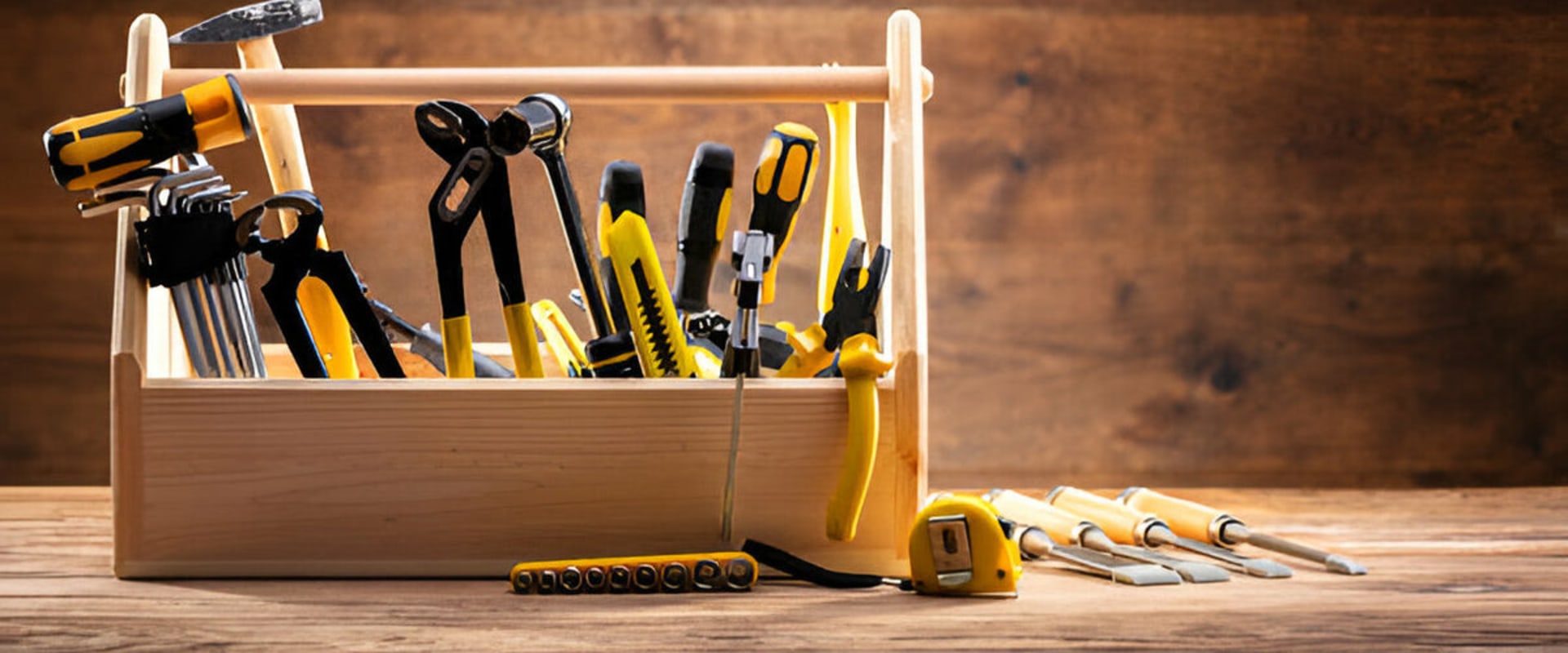
In the bustling business landscape of Anaheim, having a distinctive and memorable presence is essential for success. Custom signage solutions play a pivotal role in achieving this goal, as they not only communicate vital information but also reflect the brand's identity and values. Whether you are a small local shop or a large corporation, the right signage can attract customers, enhance visibility, and create a lasting impression. As you explore options for custom signage, understanding the tools and equipment necessary for creating effective signs becomes crucial. Choosing the right tools and equipment is not merely a matter of convenience; it directly impacts the quality and durability of your signage. In the bustling business landscape of Anaheim, having a distinctive and memorable presence is essential for success. Custom signage solutions play a pivotal role in achieving this goal, as they not only communicate vital information but also reflect the brand's identity and values. Whether you are a small local shop or a large corporation, the right signage can attract customers, enhance visibility, and create a lasting impression. As you explore options for custom signage, understanding the tools and equipment necessary for creating effective signs becomes crucial. Choosing the right tools and equipment is not merely a matter of convenience; it directly impacts the quality and durability of your signage.
From design to installation, each phase requires specific instruments that cater to the unique demands of your project. For instance, if you are working with intricate designs or large formats, specialized tools like vinyl cutters or digital printers may be essential. On the other hand, basic installation tools such as drills and levels are fundamental for ensuring that your signs are securely mounted and visually appealing. Moreover, partnering with a reputable Anaheim sign company can provide invaluable insights into the best practices for selecting these tools. Experienced professionals understand the nuances of different materials and techniques, allowing them to recommend equipment that aligns with your specific needs.
This collaboration not only streamlines the process but also enhances the overall effectiveness of your signage solutions. As we delve deeper into this guide, we will explore various types of signage, the essential tools required for each type, and best practices for maintaining your equipment. By equipping yourself with this knowledge, you can ensure that your custom signage solutions are not only visually striking but also built to last.
Understanding Different Types of Signage
When it comes to custom signage solutions, understanding the different types of signage is essential for selecting the right tools and equipment. Each type of signage serves a unique purpose and requires specific materials and techniques for effective creation and installation. Below, we explore the primary categories of signage: outdoor signs, business signs, and commercial signage. When it comes to custom signage solutions, understanding the different types of signage is essential for selecting the right tools and equipment. Each type of signage serves a unique purpose and requires specific materials and techniques for effective creation and installation. Below, we explore the primary categories of signage: outdoor signs, business signs, and commercial signage.Outdoor Signs
Outdoor signs are designed to withstand various weather conditions while effectively communicating a message to passersby.These signs are often larger and more durable than indoor signs, as they need to resist elements such as rain, wind, and sunlight. Common types of outdoor signs include:
- Billboards: Large advertising structures typically found in high-traffic areas.
- Yard Signs: Smaller signs often used for real estate or political campaigns.
- Directional Signs: Signs that guide customers to specific locations or services.
Business Signs
Business signs are crucial for branding and attracting customers. They can range from simple storefront signs to elaborate illuminated displays.Key types of business signs include:
- Channel Letters: Individual letters that can be illuminated or non-illuminated.
- Awnings: Fabric or metal structures that provide shade while displaying the business name.
- Window Graphics: Vinyl decals applied directly to windows for promotional purposes.
Commercial Signage
Commercial signage encompasses a wide range of large-scale signs used by businesses to promote their brand or services. This category includes:- Monument Signs: Freestanding signs that are often placed at the entrance of a property.
- Pylon Signs: Tall signs that display multiple businesses or advertisements.
- DIGITAL SIGNAGE: Electronic displays that can be updated frequently with new content.
Each type has its own set of requirements that must be considered to ensure successful design, production, and installation.
Essential Tools and Equipment for Custom Signage
When embarking on a custom signage project, having the right tools and equipment is essential for achieving high-quality results. The specific tools you need can vary significantly based on the type of signage you are creating. Below, we outline the necessary tools and equipment for different signage projects, ensuring you are well-equipped to tackle any challenge.Tools for Outdoor Signage
Outdoor signs must withstand various weather conditions, making durability a key factor in both materials and tools. Here are some essential tools for creating and installing outdoor signage:-
Drill: A reliable drill is crucial for securely fastening signs to surfaces.
Look for a model with adjustable speed settings to accommodate different materials.
- Measuring Tape: Accurate measurements are vital for proper alignment and placement. A sturdy measuring tape will help ensure your sign is positioned correctly.
- Level: To avoid crooked signs, a level is indispensable. It ensures that your sign is perfectly horizontal or vertical, enhancing its visual appeal.
- Ladder: Depending on the height of your installation, a sturdy ladder may be necessary to reach elevated areas safely.
- Screwdriver Set: A variety of screwdrivers will allow you to work with different types of screws and fasteners used in sign installation.
Tools for Business Signage
Business signs often require more intricate designs and graphics. Here are some specialized tools that can enhance your business signage projects:-
Vinyl Cutter: This tool is essential for creating precise vinyl graphics that can be applied to signs.
It allows for intricate designs that can elevate the overall look of your signage.
- Heat Press: For signs that incorporate fabric or heat-sensitive materials, a heat press ensures that graphics adhere properly and last longer.
- Screen Printing Equipment: If you plan to create multiple copies of a design, screen printing can be an efficient method to produce high-quality images on various surfaces.
Tools for Commercial Signage
Commercial signage projects, such as billboards or large building signs, often require heavy-duty equipment due to their size and complexity. Consider the following:- Cranes or Scaffolding: For large installations, cranes or scaffolding provide the necessary height and stability to safely install oversized signs.
- Power Saw: When working with large materials, a power saw is essential for making clean cuts that fit your design specifications.
- Pneumatic Tools: These tools can speed up the installation process by providing powerful assistance in drilling or fastening components together.
Quality and Durability: Key Considerations
When embarking on a project for custom signage, the significance of quality and durability in tools and equipment cannot be overstated. These two factors play a pivotal role in determining not only the aesthetic appeal of the signage but also its longevity and functionality.Quality tools
are essential for achieving precision in design and execution.
High-quality tools allow for accurate cuts, smooth finishes, and intricate detailing that can elevate the overall look of your signage. For instance, using a professional-grade vinyl cutter can make a significant difference when creating complex graphics or lettering. The precision offered by such tools ensures that every element of the sign is executed flawlessly, which is crucial for maintaining a professional image. Moreover, investing in durable equipment is vital, especially for signs that will be exposed to various environmental conditions. Signs often face challenges such as harsh sunlight, rain, wind, and temperature fluctuations.
Therefore, using materials and tools designed to withstand these elements is essential. For example, selecting weather-resistant adhesives and coatings can protect your signage from fading or peeling over time. Additionally, high-quality tools tend to have better ergonomics and safety features, which can enhance the user experience during installation. This not only leads to better results but also minimizes the risk of accidents or injuries on the job site. In summary, prioritizing quality and durability when selecting tools and equipment for custom signage solutions is crucial. By investing in superior products, you ensure that your signage not only looks great but also stands the test of time.
This approach ultimately leads to greater customer satisfaction and can significantly enhance your reputation as a reliable provider of custom signage solutions.
Safety Measures When Using Signage Tools
When it comes to custom signage, safety should always be a top priority. Working with various tools and equipment can pose risks if proper precautions are not taken. Here are some essential safety measures to consider when using tools for signage installation.Understanding Tool Safety
Each tool used in the signage process has its own set of safety guidelines. Familiarizing yourself with these guidelines is crucial:-
Read the Manual: Always read the manufacturer’s manual before using any tool.
This will provide you with important information about the tool's operation and safety features.
- Inspect Tools Regularly: Before each use, inspect your tools for any signs of wear or damage. Look for frayed cords, rust, or loose parts that could lead to accidents.
- Use Tools for Their Intended Purpose: Each tool is designed for specific tasks. Using a tool for something it wasn’t intended for can lead to malfunctions and injuries.
Protective Equipment
Wearing the right personal protective equipment (PPE) is essential when working with signage tools:- Safety Glasses: Protect your eyes from flying debris, especially when cutting or drilling materials.
- Gloves: Use gloves to protect your hands from sharp edges and splinters. However, ensure they are not too loose to avoid getting caught in moving parts.
- Hearing Protection: If you’re using loud machinery, such as saws or drills, consider wearing earplugs or earmuffs to protect your hearing.
- Hard Hats: When working in environments where there is a risk of falling objects, wearing a hard hat can prevent serious head injuries.
Safe Work Practices
In addition to using protective equipment, adopting safe work practices can significantly reduce the risk of accidents:-
Maintain a Clean Workspace: Keep your work area organized and free of clutter.
This will help prevent trips and falls.
- Use Ladders Safely: When working at heights, ensure that ladders are stable and positioned correctly. Always maintain three points of contact when climbing.
- Communicate Clearly: If you’re working with a team, ensure everyone is aware of their roles and any potential hazards in the area.
Maintenance and Repair of Signage Tools and Equipment
Maintaining and repairing tools and equipment used in custom signage is essential for ensuring their longevity and optimal performance. Regular upkeep not only enhances the efficiency of your tools but also contributes to the quality of the signage you produce.Here are some effective strategies for maintaining and repairing your signage tools.
Regular Cleaning
One of the simplest yet most effective ways to maintain your tools is through regular cleaning. After each use, take the time to wipe down surfaces, remove debris, and clean any residue that may have accumulated. For example:- Power Tools: Use a soft cloth to remove dust and grime from the exterior. For blades and cutting surfaces, a specialized cleaner can help remove adhesive residues.
-
Hand Tools: Wipe down with a damp cloth and dry thoroughly to prevent rusting.
Consider using a rust inhibitor on metal parts.
Lubrication
Proper lubrication is crucial for moving parts in tools such as drills, saws, and cutters. Regularly applying lubricant can prevent wear and tear, ensuring smooth operation. Follow these tips:- Use manufacturer-recommended lubricants for specific tools.
- Apply lubricant sparingly to avoid attracting dust and debris.
Inspection and Maintenance
Conducting regular inspections of your tools can help identify potential issues before they become significant problems. Look for signs of wear, such as:- Dull blades or bits that need sharpening or replacement.
- Loose screws or bolts that require tightening.
- Cables or cords that show signs of fraying or damage.
Repairing Tools
When it comes to repairs, knowing when to fix a tool versus when to replace it is vital.Here are some guidelines:
- Minor Repairs: For small issues like replacing a blade or tightening screws, DIY repairs can save time and money.
- Major Repairs: If a tool requires extensive repairs or replacement parts that are costly, consider whether investing in a new tool would be more economical in the long run.
Choosing the Right Anaheim Sign Company for Your Needs
When it comes to selecting the right Anaheim sign company for your custom signage needs, there are several critical factors to consider. The right choice can significantly impact the quality of your signage and the overall success of your branding efforts. Here are some essential guidelines to help you make an informed decision.1.Assess Reputation and Experience
Start by researching the reputation of potential sign companies in Anaheim.
Look for companies that have a proven track record in the industry. You can do this by:
- Checking online reviews on platforms like Google, Yelp, and social media.
- Asking for recommendations from local businesses or friends who have previously used sign services.
- Reviewing their portfolio to see examples of their past work.
2.Evaluate Services Offered
Different sign companies may specialize in various types of signage, such as:
- Outdoor signs
- Business signs
- Custom graphics and banners
- Vehicle wraps
- Illuminated signs
3.Customer Service and Communication
The level of customer service provided by a sign company can greatly affect your experience. Look for a company that:
- Is responsive to inquiries and provides clear communication throughout the process.
- Takes the time to understand your vision and offers suggestions based on their expertise.
- Provides a detailed quote that outlines all costs involved.
4.Compare Pricing and Value
While cost is an important factor, it should not be the sole determinant in your decision-making process.
Compare quotes from multiple Anaheim sign companies, but also consider:
- The quality of materials used.
- The level of craftsmanship.
- The warranty or guarantee offered on their products.
5.Local Knowledge and Support
Selecting a local sign company in Anaheim can provide additional benefits, such as:
- A better understanding of local regulations regarding signage.
- The ability to visit their facility for consultations or to view samples in person.
- Faster turnaround times due to proximity.
FAQs About Custom Signage Tools and Equipment
When it comes to custom signage, many individuals and businesses have questions about the tools and equipment necessary for creating effective signs. Below are some frequently asked questions that can help clarify common concerns and provide valuable insights into the world of sign-making tools.What types of tools are essential for creating custom signage?
The tools you need can vary based on the type of signage you are creating. However, some essential tools include:- Measuring Tape: Accurate measurements are crucial for ensuring your signs fit perfectly in their designated spaces.
- Vinyl Cutter: This tool is essential for cutting intricate designs from vinyl sheets, which are commonly used in business signs.
- Drill: A reliable drill is necessary for mounting signs securely, especially outdoor signs that need to withstand various weather conditions.
- Heat Press: For applying heat transfer vinyl, a heat press is invaluable in achieving a professional finish.
- Level: Ensuring your sign is straight and properly aligned is vital for aesthetic appeal.
How do I choose the right equipment for my specific signage project?
Selecting the right equipment depends on several factors, including:- Type of Signage: Different types of signs (e.g., outdoor vs. indoor) require different materials and tools.
- Complexity of Design: More intricate designs may necessitate advanced tools like laser engravers or CNC machines.
- Budget: Consider your budget when selecting tools; investing in quality equipment can save money in the long run by reducing repairs and replacements.
Are there safety measures I should follow when using sign-making tools?
Absolutely! Safety should always be a priority when working with tools.Here are some key safety measures to consider:
- Wear Protective Gear: Always use safety glasses, gloves, and ear protection when necessary.
- Read Instructions: Familiarize yourself with the user manuals for all equipment to understand proper usage and safety precautions.
- Keep Work Area Clean: A tidy workspace reduces the risk of accidents and injuries.
Conclusion: Making Informed Choices for Custom Signage Success
In conclusion, the journey to creating effective custom signage solutions is multifaceted and requires careful consideration at every step. As we have explored throughout this article, the selection of appropriate tools and equipment is paramount to achieving not only aesthetic appeal but also functionality and durability in your signage projects. Understanding the various types of signage available, from outdoor displays to intricate business signs, allows you to tailor your approach based on specific needs. Each type of signage comes with its own set of requirements, and recognizing these can significantly streamline your workflow.For instance, outdoor signs demand materials that can withstand environmental challenges, while business signs may require precision tools for detailed designs. Moreover, the emphasis on quality and durability cannot be overstated. Investing in high-quality tools and equipment ensures that your signage will not only look professional but will also stand the test of time. This investment pays off in the long run by reducing the frequency of repairs and replacements, ultimately saving you both time and money. Safety is another critical aspect that should never be overlooked. Utilizing the right safety measures when handling tools and equipment protects not only you but also those around you.
Always adhere to safety guidelines and wear appropriate protective gear to minimize risks during installation. Finally, maintaining your tools and equipment is essential for sustaining their performance. Regular cleaning, proper storage, and timely repairs can extend the lifespan of your tools, ensuring they remain reliable for future projects. By synthesizing these insights—understanding signage types, prioritizing quality, ensuring safety, and committing to maintenance—you position yourself for success in the competitive landscape of custom signage solutions. Whether you are collaborating with an Anaheim sign company or embarking on a DIY project, making informed choices will lead to stunning results that effectively communicate your brand's message.
More Posts
Sign Installation
12 articles